If you’ve ever dreamed of standing in front of one of the world’s biggest mountains without the crowds, Kanchenjunga Trekking might be exactly what you’re looking for.
Kanchenjunga, at 8,586 meters, is the third highest peak on Earth. The trek that carries its name takes you deep into eastern Nepal to see both the north and south base camps. It is one of the most remote and rewarding adventures in the Himalayas.
I’ve been writing about and planning Himalayan treks for over 12 years. I’ve spoken with hundreds of people who have done this route. Many say it changed how they feel about trekking.
Unlike the busy trails around Everest or Annapurna, this one still feels wild. But because it is remote, there are some important things you really need to know before you go.
Here are the 10 key facts that will help you decide if Kanchenjunga Trekking is right for you and how to prepare the smart way.
Table of Contents
1. Kanchenjunga Trekking Takes You to the Third Highest Mountain in the World
Kanchenjunga stands at 8,586 meters. That makes it taller than almost every other mountain on the planet; only Everest and K2 are higher.
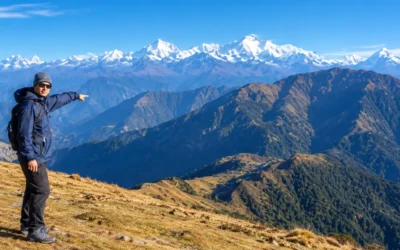
On this trek you don’t climb the summit. Instead you walk to the base camps where you get incredibly close views of the massive face and surrounding glaciers.
There are two main viewpoints:
- North Base Camp (Pangpema) at 5,143 meters
- South Base Camp (Oktang) at around 4,730 meters
Most people who do the full Kanchenjunga Circuit Trek visit both. You also see other impressive peaks like Jannu (also called Kumbhakarna) and the long white ridge of the main mountain.
The views hit differently here because there are almost no other people around. One trekker I spoke with last year said, “At Everest Base Camp you share the moment with fifty others. At Kanchenjunga I felt like the mountain was just for me.”
If you want that “I can’t believe this is real” feeling with fewer distractions, this is it.
2. This Is One of the Quietest Major Treks in Nepal
Kanchenjunga Trekking is famous for being remote. You will not see the long lines of trekkers or helicopters that you see on more popular routes.
On a typical day you might meet only a handful of other groups. Some days you might see nobody at all except your guide and porter.
This quietness is a huge plus for many people. The trails feel untouched. The forests are thick. The villages still run on their own rhythm.
But the quiet also means fewer services. If something goes wrong, help is farther away. There are no daily rescue helicopters flying overhead.
If you love the idea of real wilderness and don’t mind being cut off from the world for a while, you’ll probably love this trek. If you prefer having lots of company and easy access to help, you might want to consider a more popular route instead.
3. You Still Need a Licensed Guide But Solo Travel Is Now Possible
Kanchenjunga sits inside a restricted area. For many years you had to go with at least two people plus a guide.
Good news for 2026: That rule changed in March. Now a single trekker can get the permit as long as they hire a licensed guide through a registered agency (just be sure to check the solo trek rules).
You cannot go completely on your own. The government still requires a licensed guide for safety and to protect the area.
Why is this important? Your guide knows the trails, the weather patterns, and how to handle altitude. They also speak the local languages and can arrange everything from teahouses to emergency help.
Most people say the guide actually makes the trip better because they share stories about the villages and point out wildlife you would miss on your own.
Image suggestion: Trekker and local guide walking together on a mountain path (alt text: “Licensed guide on Kanchenjunga Trekking route”)
4. Special Permits Are Required And Only Agencies Can Arrange Them
You cannot just show up and start walking. You need two permits (see what permits are required):
- Kanchenjunga Restricted Area Permit (RAP) – about $20 per week for the first four weeks
- Kanchenjunga Conservation Area Permit (KCAP) – around 2,000 to 3,000 Nepali rupees
A registered trekking agency in Kathmandu must arrange the Restricted Area Permit for you. They handle the paperwork using your passport and travel insurance details.
Your guide will carry the permits and show them at checkpoints along the way.
Plan to spend a day or two in Kathmandu before the trek so the agency can process everything. Most good companies include the permits in the package price.
Tip: Always ask the agency exactly what is covered. Some people get surprised when they find out drinks, hot showers, and tips are extra.
Image suggestion: Trekker showing permit at a checkpoint in the mountains (alt text: “Kanchenjunga Trek permits being checked on the trail”)
5. Spring and Autumn Give You the Best Conditions
The best times for Kanchenjunga Trekking are spring (March to May) and autumn (September to November or early December).
In spring the rhododendron forests bloom with bright red, pink, and white flowers. Days are warmer and the trails are clear.
Autumn brings crystal-clear skies and the sharpest mountain views. The air feels crisp and stable.
The monsoon months (June through August) bring heavy rain, slippery trails, and leeches in the lower areas. Winter (December to February) can be brutally cold with deep snow on the high passes.
Many experienced trekkers say late October and early November offer the most reliable weather. But spring is magical if you love flowers and greener landscapes.
Whatever season you choose, always build in a couple of extra buffer days for weather delays on the flights or jeep rides.
Image suggestion: Bright rhododendron flowers blooming along the trail with Kanchenjunga in the distance (alt text: “Spring on the Kanchenjunga Trek – beautiful flowers and mountain views”)
6. This Trek Is Long, Hard, and Not for Beginners
A full Kanchenjunga Circuit Trek usually takes 18 to 26 days from Kathmandu back to Kathmandu. Shorter versions that visit only one base camp can be done in 16 to 19 days.
Most days you will walk 6 to 9 hours. The total distance for the full circuit is around 200 to 220 kilometers.
You will cross several high passes and climb above 5,000 meters. The terrain includes steep stone steps, rocky moraines, and narrow paths beside glaciers.
This is a strenuous trek. It is longer and more demanding than the classic Everest Base Camp route for most people.
You should have previous trekking experience and be in good physical shape (check the fitness level needed). Start training at least two to three months before with long hikes, stair climbing, and carrying a backpack.
The reward is huge – but only if your body and mind are ready.
Image suggestion: Steep uphill trail on the Kanchenjunga Circuit with dramatic mountain scenery (alt text: “Challenging terrain on the Kanchenjunga Base Camp Trek”)
7. Expect Simple Teahouses and Basic But Filling Food
Good news in 2026: The route is now mostly a teahouse trek. New lodges have opened even at high points like Lhonak and near Pangpema.
Rooms are basic, usually wooden beds with thin mattresses and shared bathrooms. Electricity is limited, often just a few hours of solar power.
Food is simple but surprisingly good. You will eat a lot of dal bhat (rice, lentils, and vegetables). Other common meals include noodles, soup, eggs, pancakes, and fried rice.
Higher up, choices become smaller. Meat is not always fresh, so many people stick to vegetarian dishes.
Hot showers are rare and usually cost extra. Bring a power bank because charging your phone or camera can be expensive or slow.
Pack some of your favorite snacks from home. They help on long days when the local menu feels repetitive.
Image suggestion: Cozy teahouse dining hall with trekkers eating dal bhat (alt text: “Basic but welcoming teahouse on the Kanchenjunga Trek”)
8. Altitude Sickness Is a Real Risk Plan for It Carefully
You will sleep above 4,000 meters for many nights. The highest sleeping point is around 5,000 meters.
Altitude sickness can affect anyone, no matter how fit you are. Common early signs include headache, feeling tired, loss of appetite, and trouble sleeping.
The best ways to stay safe:
- Walk slowly (“pole pole” is what the locals say)
- Drink plenty of water
- Take the rest days your guide plans
- Eat enough even when you don’t feel hungry
Good travel insurance that covers helicopter rescue above 5,000 meters is not optional. In this remote area, a helicopter is often the only fast way out if things go wrong.
Tell your guide immediately if you feel unwell. Never push through serious symptoms.
Image suggestion: Trekker resting and drinking water at high altitude with mountains behind (alt text: “Managing altitude on the Kanchenjunga Trekking adventure”)
9. The Cost Is Higher Than Many Other Nepal Treks
A full Kanchenjunga Trek package in 2026 usually costs between $1,900 and $2,900 per person (see the full cost guide). This covers guide, porter, meals, teahouses, permits, and transport from Kathmandu.
Why is it more expensive? The area is far away. Logistics are harder. Permits cost more. And fewer groups share the expenses.
What is usually included:
- Licensed guide and porter
- All meals on the trail
- Teahouse accommodation
- Permits
- Jeep or flight transfers to the trailhead
What is almost always extra:
- International flights
- Nepal visa
- Travel insurance
- Drinks, hot showers, and charging
- Tips for your guide and porter (10–15% is normal)
Carry plenty of cash in small Nepali rupee notes. There are no ATMs once you leave the main towns.
Image suggestion: Simple budget breakdown graphic or trekkers paying at a teahouse (alt text: “Understanding the real cost of Kanchenjunga Trekking”)
10. You Will See Rare Animals and Meet Warm Local People
The Kanchenjunga Conservation Area is home to red pandas, snow leopards, musk deer, and Himalayan blue sheep (see what wildlife you might see). You probably won’t see the big cats, but red pandas and blue sheep are spotted more often here than on busier trails.
The real treasure is the people. You walk through villages of the Limbu, Rai, Sherpa, and Tibetan communities (learn about the ethnic groups).
In places like Ghunsa you can visit old monasteries and watch prayer flags flutter in the wind. Many families still grow cardamom and raise yaks.
Trekkers often say the conversations around the wood stove at night are just as memorable as the mountain views.
Respect is everything here. Ask before taking photos of people. Learn a few words like “Namaste” and “Dhanyabaad” (thank you). The locals are incredibly kind once they see you are respectful.
Image suggestion: Local villagers and trekkers chatting outside a traditional house (alt text: “Cultural experience and local people on the Kanchenjunga Trek”)
Final Thoughts
Kanchenjunga Trekking is one of Nepal’s most rewarding adventures. It takes more time, fitness, and preparation, but the quiet trails, stunning mountain views, and rich local culture make every step worthwhile.
Choose a trusted Nepali trekking company with experience in the region, review their latest itinerary, and prepare well before your trip. With the right planning, the Kanchenjunga Trek can become a once-in-a-lifetime Himalayan experience.
Safe travels, and enjoy your adventure!
Explore More Manaslu Circuit Trek Guides
- Where is Mt. Kanchenjunga?
- What is Kanchenjunga? An in-depth guide
- Can we see Kanchenjunga from Darjeeling?
- Can you climb Kanchenjunga?
- Can you see Kanchenjunga from Gangtok?
- How far is Kanchenjunga from Darjeeling?
- How long does it take to climb Kanchenjunga?
- How many have climbed Kanchenjunga?
- How many people climbed Kanchenjunga?
- Is the Kanchenjunga Circuit Trek worth it for trekkers?
- Main routes of the Kanchenjunga Circuit Trek
- Where does the Kanchenjunga Circuit Trek begin and end?
- Kanchenjunga Circuit Trek itinerary
- Kathmandu to Kanchenjunga Trek distance
- Can older trekkers complete the Kanchenjunga Circuit?
- What are the toughest sections of the Kanchenjunga Circuit Trek?
- Kanchenjunga Trek in October: A complete guide
- Are there budget-friendly options for the Kanchenjunga Circuit Trek?
- Is Kanchenjunga Base Camp Trek safe?
- Kanchenjunga Circuit emergency services guide
- Kanchenjunga vs Manaslu Trek
- Best navigation apps for the Kanchenjunga Circuit Trek
- Can you see Kanchenjunga from Nepal?
- How tall is Kanchenjunga and how does it relate to the trek?
Frequently Asked Questions About Kanchenjunga Trekking
How long does the full Kanchenjunga Circuit take?
Most people need 18 to 26 days total, including travel to and from Kathmandu. Shorter trips to just one base camp can be done in 16–19 days.
Is Kanchenjunga Trekking suitable for beginners?
No. It is a long and strenuous trek with high altitude and remote conditions. Previous trekking experience and good fitness are strongly recommended.
What is the highest point on the trek?
The highest point most trekkers reach is Pangpema (North Base Camp) at 5,143 meters.
Do I need special travel insurance?
Yes. Make sure your policy covers high-altitude trekking and emergency helicopter evacuation up to at least 5,500 meters.
Can I really trek solo now?
Yes, since March 2026. You still need a licensed guide through a registered agency, but you no longer need a minimum of two trekkers.