Key Takeaways
- The Kanchenjunga Circuit Trek is approximately 200–220 kilometers long, making it one of the longest and most remote trekking routes in Nepal, completed over about 20–25 days.
- The total distance includes both the eastern and western sides of Mount Kanchenjunga, with daily walking averages of 8–12 km, influenced by altitude, terrain, and acclimatization needs.
- The exact trekking distance varies due to route choices, side hikes, acclimatization days, and trail conditions, as there are no road shortcuts in this remote region.
- This long-distance trek is physically demanding and best suited for experienced trekkers, but it rewards effort with untouched landscapes, rich local culture, and a true wilderness Himalayan experience.
Table of Contents
If you are planning a serious trekking adventure in Nepal, it is natural to ask one important question first: how many kilometers is the Kanchenjunga Circuit Trek? This trek is famous for its raw wilderness, long walking days, and deep cultural immersion. It is not a short or easy journey, but that is exactly what makes it special.
In simple terms, the Kanchenjunga Circuit Trek covers roughly 200 to 220 kilometers round trip. This distance makes it one of the longest trekking routes in Nepal. The exact number of kilometers depends on the itinerary, acclimatization days, side hikes, and the condition of mountain trails. Unlike commercial treks, there are no road shortcuts here. Trekkers must walk in and walk out through remote valleys.
This article explains the total distance of the Kanchenjunga Circuit Trek, how the route is divided, why the distance varies, how long the trek takes, and whether walking such a long distance is truly worth it.
Total Distance of the Kanchenjunga Circuit Trek
The Kanchenjunga Circuit Trek distance usually falls between 200 and 220 kilometers, depending on the route taken. Most trekkers complete this journey over 20 to 25 days, including acclimatization and rest days.
What makes this trek longer than many others in Nepal is its geography. The trail passes through deep valleys, dense forests, and high alpine terrain with very limited access to roads. Unlike the Annapurna or Everest regions, there are no jeep tracks cutting through the route. Every section must be completed on foot, which adds to the total walking distance.
Because of this, Kanchenjunga is widely considered one of the longest and most remote trekking routes in Nepal.
Kanchenjunga Circuit Trek Route and Walking Distance
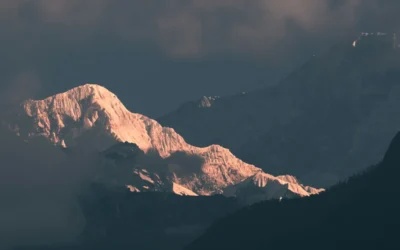
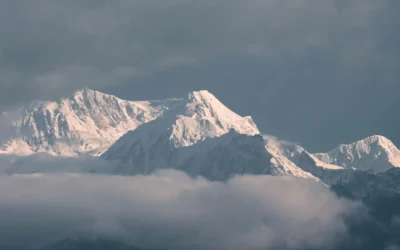
The Kanchenjunga Circuit Trek is unique because it covers both the eastern and western sides of Mount Kanchenjunga, the world’s third-highest mountain. This full circuit significantly increases the total distance compared to partial routes.
The eastern section of the trek leads toward Pangpema, also known as Kanchenjunga Base Camp. This part of the trail involves long but steady walking days through river valleys, forests, and traditional villages. The terrain allows gradual altitude gain, which helps with acclimatization but still requires strong endurance. On average, trekkers cover around 100 to 110 kilometers in the eastern section.
After crossing high mountain passes, the route continues to the western side toward the Yalung Glacier and Oktang viewpoint. This section is slightly shorter in distance, usually around 90 to 100 kilometers, but it feels more demanding. The trails are steeper, more rugged, and far more remote. Villages are sparse, and the landscape becomes increasingly alpine.
On most days, trekkers walk 8 to 12 kilometers, which may not sound like much on paper. However, high altitude, uneven trails, and elevation gain make even short distances physically challenging. Walking days usually last six to seven hours, sometimes longer in lower regions.
Why the Kanchenjunga Circuit Trek Distance Varies
There is no single official distance for the Kanchenjunga Circuit Trek because several factors affect how many kilometers you walk.
One major factor is the starting and ending point. While most itineraries begin near Taplejung, small route changes can add or subtract walking distance. Another important factor is acclimatization. Many trekkers include extra hiking days to help their bodies adjust to altitude. These acclimatization hikes add distance but greatly improve safety.
Trail conditions also play a role. Landslides, washed-out paths, and river changes can force trekkers to take detours. In such remote areas, trail repairs may take time, so routes often change slightly from year to year.
Finally, trekking pace and itinerary design affect total distance. A slower itinerary with more overnight stops can increase the total kilometers compared to a tighter schedule.
How Long Does It Take to Complete the Kanchenjunga Circuit Trek?
The Kanchenjunga Circuit Trek duration usually ranges from 20 to 25 days. This includes trekking days, acclimatization days, and rest days.
During the first week, trekkers gradually build distance while walking through lower valleys and villages. The middle section focuses on altitude, where daily distances become shorter but more demanding. In the final days, long downhill walks lead back toward road access points.
This trek is not about speed. The long distance combined with high altitude requires patience, proper pacing, and enough rest. Rushing the itinerary increases the risk of altitude sickness and injury.
Kanchenjunga Circuit Trek Distance and Difficulty
The distance of the Kanchenjunga Circuit Trek plays a major role in its difficulty. Walking for more than 200 kilometers over three to four weeks demands strong physical fitness and mental endurance.
The challenge does not come from distance alone. High altitude, limited infrastructure, and remote terrain make recovery harder. Many days pass without seeing large villages, medical facilities, or rescue access. Trekkers must be self-reliant and well-prepared.
Because of these factors, the Kanchenjunga Circuit Trek is best suited for experienced trekkers or very fit hikers who have completed other long Himalayan treks.
Kanchenjunga Circuit Trek Compared to Other Nepal Treks
When compared to other popular trekking routes in Nepal, Kanchenjunga clearly stands out for its length. Everest Base Camp is much shorter, covering roughly 130 kilometers. Manaslu Circuit is around 177 kilometers, while Annapurna Circuit usually ranges between 160 and 180 kilometers.
Kanchenjunga feels longer not just because of the number of kilometers, but because of its remoteness. Trails are less developed, elevation changes are frequent, and support facilities are limited. These factors make every kilometer feel earned.
Is the Kanchenjunga Circuit Trek Worth the Long Distance?
For trekkers who value solitude and untouched landscapes, the answer is yes. The long distance allows access to regions that few people ever see. You walk through traditional Limbu and Rai villages, pass ancient monasteries, and experience a way of life that has changed very little over time.
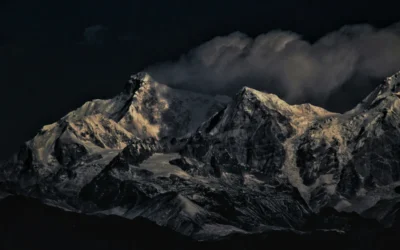
Scenery is another major reward. The trek offers close views of Mount Kanchenjunga, massive glaciers, deep valleys, and high alpine terrain. Wildlife sightings are also possible in the lower forested areas.
This trek is not for everyone, but for those who want a true Himalayan wilderness experience, the long distance is part of its appeal.
Conclusion
The Kanchenjunga Circuit Trek covers approximately 200 to 220 kilometers, making it one of the longest trekking adventures in Nepal. The distance varies based on itinerary design, acclimatization days, and trail conditions, but every kilometer contributes to the experience.
This trek rewards preparation, patience, and endurance. For trekkers who want remote landscapes, rich culture, and a genuine sense of adventure, Kanchenjunga is worth every step.
Frequently Asked Questions
How many kilometers is the Kanchenjunga Circuit Trek?
The full trek covers approximately 200–220 kilometers round trip, depending on the exact route, side hikes, and acclimatization days.
How long does it take to complete the Kanchenjunga Circuit Trek?
Most trekkers complete the trek in 20–25 days, including rest and acclimatization days. Walking days average 6–7 hours each.
How many kilometers do you walk per day?
Daily walking distance ranges from 8–12 kilometers, with high-altitude days often being shorter due to steep terrain and altitude gain.
Is the Kanchenjunga Circuit Trek more difficult than other Nepal treks?
Yes. Its length, remote location, limited infrastructure, high passes, and long walking days make it more challenging than Annapurna Circuit or Everest Base Camp Trek.
Can beginners do the Kanchenjunga Circuit Trek?
This trek is not recommended for beginners. It requires strong fitness, high-altitude experience, and mental endurance due to remoteness and long distance.
Can the trek be shortened?
Yes, some itineraries skip either the eastern or western sections. However, this reduces the overall experience, including views of glaciers, alpine valleys, and cultural villages.
How does the Kanchenjunga Circuit Trek compare with Annapurna Circuit or Everest Base Camp?
Kanchenjunga is longer and more remote than both. Annapurna Circuit is around 160–180 km, Everest Base Camp is ~130 km, while Kanchenjunga covers 200–220 km with fewer villages and road access.
What is the best time to do the Kanchenjunga Circuit Trek?
The ideal seasons are spring (March to May) and autumn (September to November), when the weather is stable, trails are clear, and views of Kanchenjunga are best.
Are there villages and lodges along the route?
Yes, but they are sparse and basic. Trekkers must carry essential items, as services are limited compared to Annapurna or Everest regions.
Is altitude a concern on this trek?
Yes. The trek reaches altitudes above 5,000 meters. Proper acclimatization and gradual hiking are essential to avoid altitude sickness.
Do I need a guide or porter for the Kanchenjunga Circuit Trek?
While independent trekking is possible, hiring a guide and porter is highly recommended due to remote trails, navigation challenges, and restricted areas requiring permits.
Are there side hikes or viewpoints included in the distance?
Yes, most itineraries include side hikes to viewpoints, glaciers, and monasteries, which increase the total kilometers but offer remarkable experiences.
How remote is the Kanchenjunga Circuit Trek?
This trek is extremely remote. Many sections pass days without meeting other trekkers, which is part of its appeal but also a safety consideration.
Is the Kanchenjunga Circuit Trek worth the long distance?
Absolutely. The trek offers pristine landscapes, cultural villages, glaciers, and mountain views that are largely untouched by tourism, making every kilometer worthwhile.
To know more about the Kanchenjunga Circuit, click on the link below.