Table of Contents
Key takeaways
- Kanchenjunga is the third-highest mountain in the world, standing at 8,586 meters (28,169 feet).
- It is located on the border between Nepal and the Indian state of Sikkim, forming part of the eastern Himalayas.
- The mountain is sacred to local cultures and is surrounded by the Kanchenjunga Conservation Area, which protects rare wildlife and plants.
- Trekking in the Kanchenjunga region is remote and challenging, offering stunning views and requiring permits and good physical fitness.
Kanchenjunga is the third-highest mountain in the world, rising to an impressive height of 8,586 meters (28,169 feet). It forms part of the Himalayan mountain range and lies at the border between Nepal and the Indian state of Sikkim. Known for its breathtaking beauty and challenging terrain, Kanchenjunga attracts trekkers and mountaineers from around the globe.
About Kanchenjunga
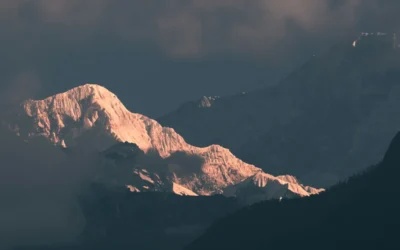
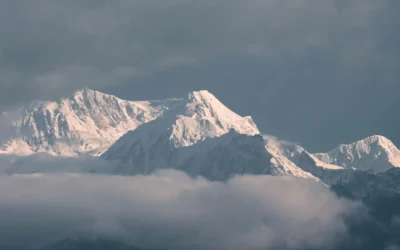
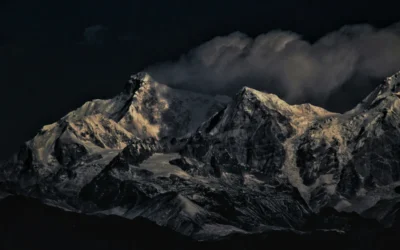
Kanchenjunga is famous not only for its height but also for its rich cultural and natural significance. It is considered a sacred mountain by local people, and its name means “The Five Treasures of Snow,” referring to its five prominent peaks. The mountain is surrounded by a protected area called the Kanchenjunga Conservation Area, which is home to diverse wildlife such as snow leopards, red pandas, and Himalayan black bears. The region also boasts beautiful rhododendron forests and alpine landscapes.
Trekking the Kanchenjunga Region
The Kanchenjunga trek is one of the most remote and thrilling trekking routes in the Himalayas. It usually starts from a small town called Taplejung in Nepal. The trek involves walking through dense forests, passing isolated villages, and climbing high mountain passes. It offers stunning views of glaciers, valleys, and the massive Kanchenjunga peaks. Trekkers need to have good physical fitness and obtain permits to enter the conservation area.
Weather and Best Time to Visit
The weather around Kanchenjunga can be unpredictable, especially at higher altitudes. The best times to visit are during spring (March to May) and autumn (September to November) when the skies are usually clear, and temperatures are moderate. These seasons also bring vibrant rhododendron blooms and good trekking conditions.
Kanchenjunga’s Unique Features
- Fifth fifth-highest mountain in the world
- Sacred to local cultures
- Home to rare wildlife like snow leopards and red pandas
- Located within a conservation area protecting plants and animals
- Offers challenging trekking routes with spectacular views
Conclusion
Kanchenjunga is much more than just a tall mountain. It is a place of natural wonder and cultural importance. Its towering peaks, rich biodiversity, and the adventure it offers make it a must-know destination for mountain lovers and trekkers. Whether you are interested in the mountain’s natural beauty or its cultural stories, Kanchenjunga leaves a lasting impression.
FAQs
What is Kanchenjunga? How tall is Kanchenjunga?
Kanchenjunga stands at 8,586 meters (28,169 feet), making it the third-highest mountain on Earth.
Where is Kanchenjunga located?
It is located on the border of Nepal and the Indian state of Sikkim in the Himalayas.
Is Kanchenjunga an easy mountain to climb?
No, it is a very challenging climb and requires expert mountaineering skills.
Can anyone trek in the Kanchenjunga region?
Trekkers need to be physically fit and obtain permits to enter the Kanchenjunga Conservation Area.
What kind of wildlife can be found near Kanchenjunga?
The area is home to snow leopards, red pandas, Himalayan black bears, and many other rare animals.